
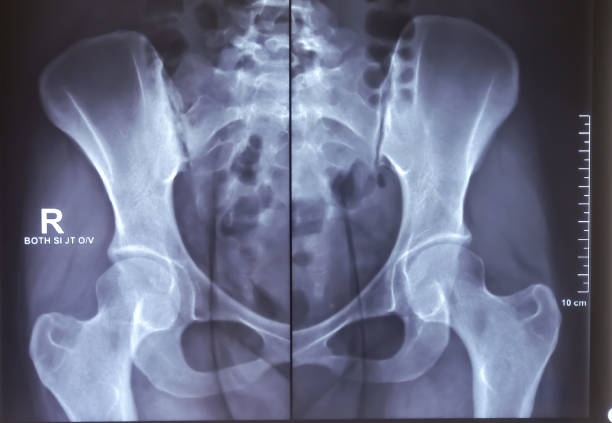
Congenital Hip Dysplasia (DDH) Claims: A Complete Guide to Birth Injury Compensation
Congenital Hip Dysplasia — also known as Developmental Dysplasia of the Hip (DDH) — is a medical condition where a baby is born with an unstable, dislocated, or misaligned hip joint. Early diagnosis and proper treatment are essential, as undetected or mishandled DDH can lead to long-term mobility problems, chronic pain, and lasting disability.
If your child’s DDH was missed, misdiagnosed, or poorly treated due to medical negligence, you may be entitled to claim compensation for the harm caused. This guide explains how DDH claims work, what you could claim for, and how our experienced birth injury solicitors can support you through the process.
What is a Congenital Hip Dysplasia (DDH) Claim?
A Congenital Hip Dysplasia claim arises when healthcare providers — such as midwives, doctors, or paediatricians — fail to properly diagnose, monitor, or treat DDH in a newborn or infant, leading to avoidable complications.
Unlike natural cases of DDH, these claims focus on situations where negligence has worsened the child’s condition or denied them timely care.
For example:
- A baby’s hip instability is missed during routine postnatal checks.
- An abnormality is noted but no further scans or referrals are arranged.
- Incorrect or delayed treatment allows the condition to worsen.
- Surgical mistakes occur during corrective procedures.
- Follow-up care is poorly managed, leading to complications.
In these cases, parents or guardians can pursue a claim for compensation on behalf of their child.
How to Make a DDH Claim
We understand that pursuing a medical negligence claim for your child can feel daunting. That’s why we simplify the process into clear, manageable steps:
Step 1: Arrange a Free Consultation
Reach out to our caring, specialist team for a free, no-obligation consultation. We’ll listen to your situation, explain your legal rights, and assess whether you have a claim worth pursuing.
Step 2: Collect Key Information
To build a strong case, we’ll help you gather:
- Details of the pregnancy, delivery, and postnatal checks
- Medical records, including newborn hip examination notes
- Ultrasound scan reports (if conducted)
- Any referrals to specialists or orthopaedic surgeons
- Surgical or treatment records
- Information about ongoing symptoms, treatment, and impact on daily life
- Expert medical opinions (which we can arrange)
Your claim will be managed by a solicitor with specialist experience in birth injury and paediatric negligence claims.
What If the Hospital or Doctor Denies Responsibility?
If the hospital or medical professional refuses to admit fault, your claim doesn’t stop there. Our solicitors can:
- Review medical records, guidelines, and duty of care obligations
- Arrange independent medical assessments
- Gather expert testimony about what should have been done
- Highlight breaches of NHS or private healthcare protocols
- Pursue legal action where necessary
Thorough documentation and clear medical evidence can make a decisive difference in proving liability.
Who Can Make a Congenital Hip Dysplasia Claim?
You may be eligible to make a claim if your child:
- Had DDH which was missed, misdiagnosed, or mishandled by healthcare professionals
- Experienced avoidable complications, pain, or disability due to delayed or incorrect care
- Required additional surgery or treatment that could have been avoided with earlier action
- Faces long-term mobility problems, joint damage, or future surgeries as a result
Claims can be made by:
- Parents or legal guardians of a child under 18
- The affected person themselves once they turn 18 (with a time limit)
- Family members, in the tragic event of severe disability or loss of life
What Can You Claim for in a DDH Case?
The value of your claim depends on how your child’s condition was affected by negligence and the long-term impact. A successful claim can cover:
- Medical expenses: For treatment, surgeries, physiotherapy, and rehabilitation
- Pain and suffering: For your child’s physical pain and emotional trauma
- Loss of earnings: If parents had to take extended leave, reduce hours, or give up work to care for their child
- Future care costs: If your child will require ongoing assistance, mobility aids, or future surgeries
- Adaptation costs: Modifications to your home, car, or lifestyle to support your child’s needs
- Travel expenses: For medical appointments, hospital stays, and specialist consultations
- Educational and support services: If special schooling, equipment, or therapies are required
Our solicitors will work to ensure every financial, physical, and emotional consequence is factored into your claim.
How Long Does a DDH Claim Take?
The time needed to settle a DDH claim depends on several factors:
- Whether the hospital or healthcare provider admits liability
- The severity of the injury and future care requirements
- The availability of medical expert reports
- The complexity of evidence, especially if symptoms developed over time
Some straightforward cases may settle within months, but complex or high-value claims can take a year or longer — particularly where a child’s long-term prognosis is still being assessed.
We’ll keep you informed every step of the way and manage the legal side while you focus on your family.
Are DDH Claims Complex?
Yes — congenital hip dysplasia claims can involve detailed medical evidence, expert opinions, and careful legal handling. These cases often require:
- Proving that medical staff failed to meet accepted standards of care
- Demonstrating how earlier or proper treatment would have improved the outcome
- Calculating the long-term financial, medical, and emotional impact
- Balancing current evidence with predicted future needs
That’s why it’s vital to work with a solicitor experienced in birth injury and child medical negligence claims.
We’re Here to Support You
We understand how upsetting it is when a child’s future is affected by avoidable medical mistakes. You don’t have to face it alone.
Our dedicated birth injury solicitors are here to:
- Support you and your family through every stage of your claim
- Help you access medical care, financial aid, and specialist therapies
- Fight for maximum compensation to secure your child’s future
Contact us today for a free, confidential consultation — and take the first step towards justice, recovery, and peace of mind for your family.